Ordering the wrong amount of concrete, gravel, mulch, or soil costs you money and causes headaches. You either end up with leftover material gathering dust in your yard, or worse, you run short halfway through your project and have to rush another delivery.
This cubic yard calculator helps you figure out exactly how much material you need before you place an order. Just enter your measurements, and the tool shows you the right amount in seconds. No math, no guessing, no wasted money.
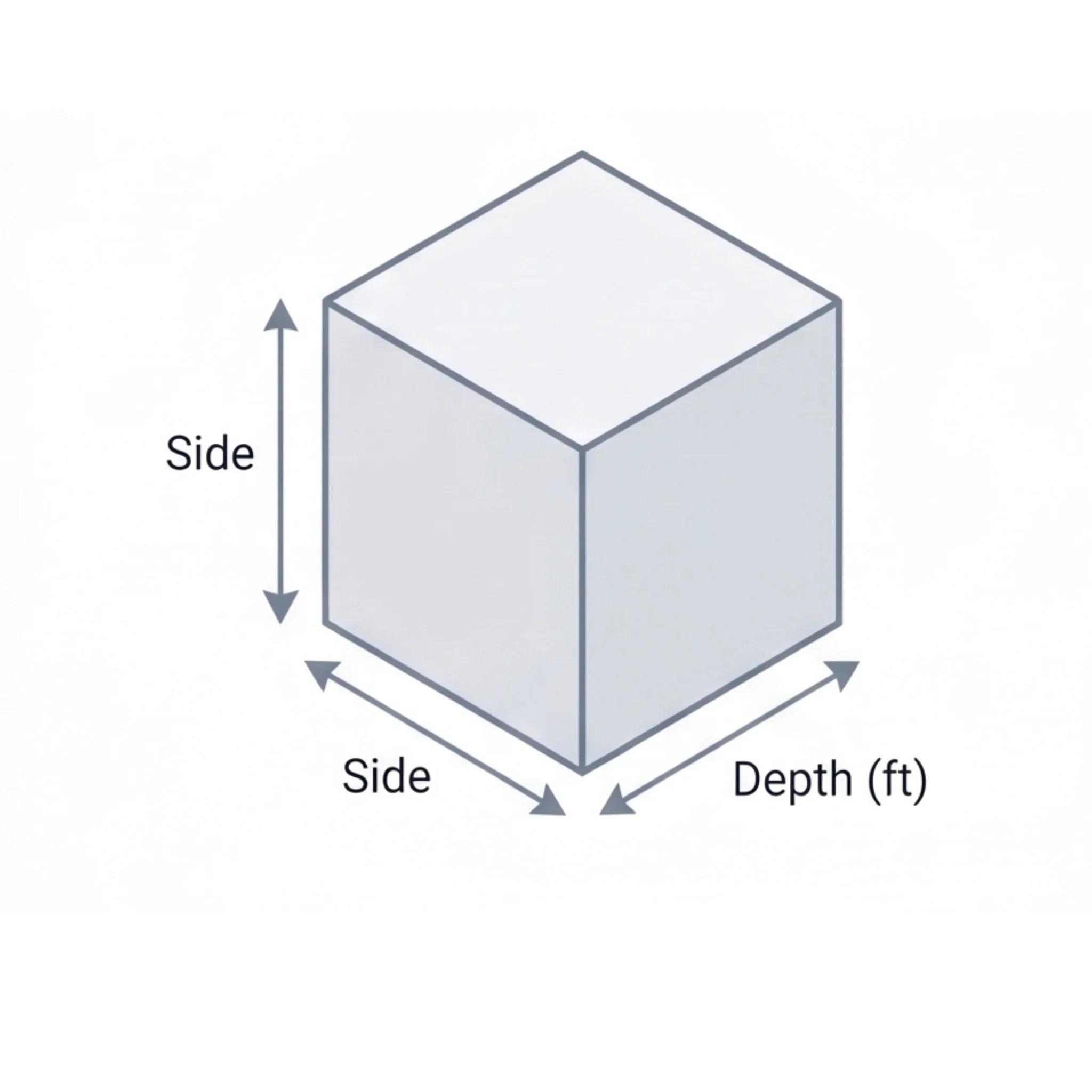
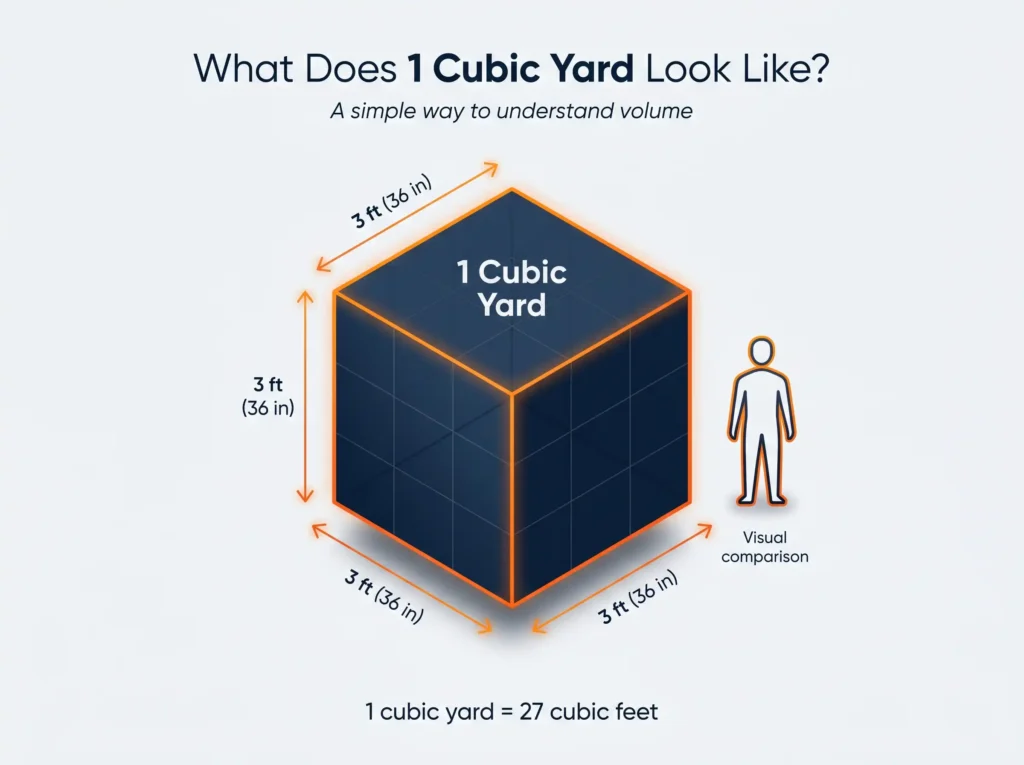
A cubic yard is simply a cube of space that is 3 feet wide, 3 feet long, and 3 feet deep. Think of it like a box you could fit a washing machine into, that’s about the size of one cubic yard. It holds 27 cubic feet of material, or if you want the really big number, 46,656 cubic inches. When you buy bulk materials like concrete, gravel, mulch, or soil, sellers measure it in cubic yards because it’s a standard way to sell large amounts.
Understanding cubic yards saves you from ordering mistakes. If you don’t know how much material you need, you might order too little and your project stalls. Or you order too much and pay for material you don’t use. Suppliers charge by the cubic yard.
so knowing this measurement means you know exactly what you’re paying for. It also helps you avoid delivery fees for extra trips or the cost of disposing of leftover material. When you use a cubic yard calculator, you match your order to your actual project size, no guessing, no waste.
Ordering the wrong amount of concrete, gravel, mulch, or soil costs you money and causes headaches. You either end up with leftover material gathering dust in your yard, or worse, you run short halfway through your project and have to rush another delivery.
This cubic yard calculator helps you figure out exactly how much material you need before you place an order. Just enter your measurements, and the tool shows you the right amount in seconds. No math, no guessing, no wasted money.
A cubic yard is simply a cube of space that is 3 feet wide, 3 feet long, and 3 feet deep. Think of it like a box you could fit a washing machine into, that’s about the size of one cubic yard. It holds 27 cubic feet of material, or if you want the really big number, 46,656 cubic inches. When you buy bulk materials like concrete, gravel, mulch, or soil, sellers measure it in cubic yards because it’s a standard way to sell large amounts.
Understanding cubic yards saves you from ordering mistakes. If you don’t know how much material you need, you might order too little and your project stalls. Or you order too much and pay for material you don’t use. Suppliers charge by the cubic yard.
so knowing this measurement means you know exactly what you’re paying for. It also helps you avoid delivery fees for extra trips or the cost of disposing of leftover material. When you use a cubic yard calculator, you match your order to your actual project size, no guessing, no waste.
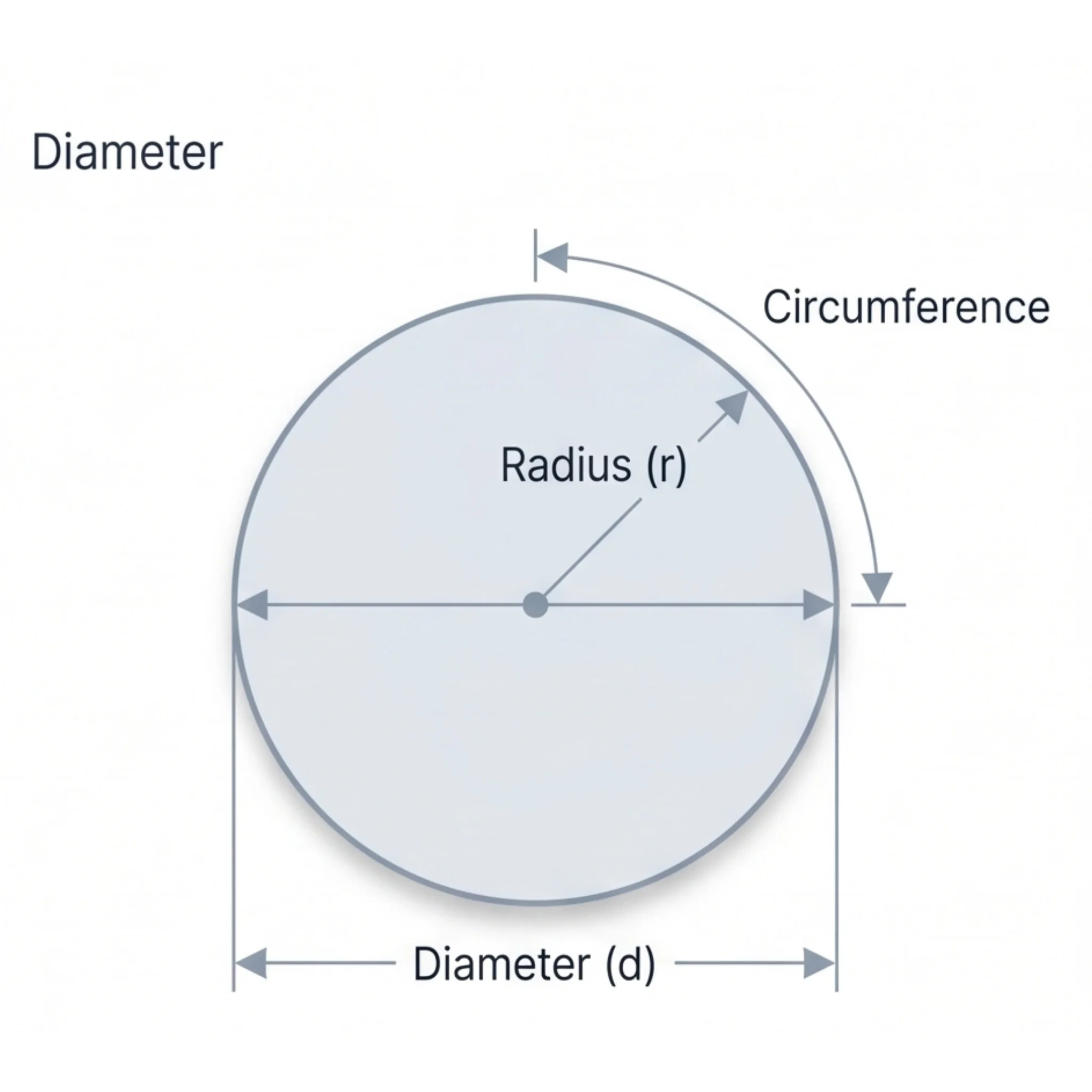
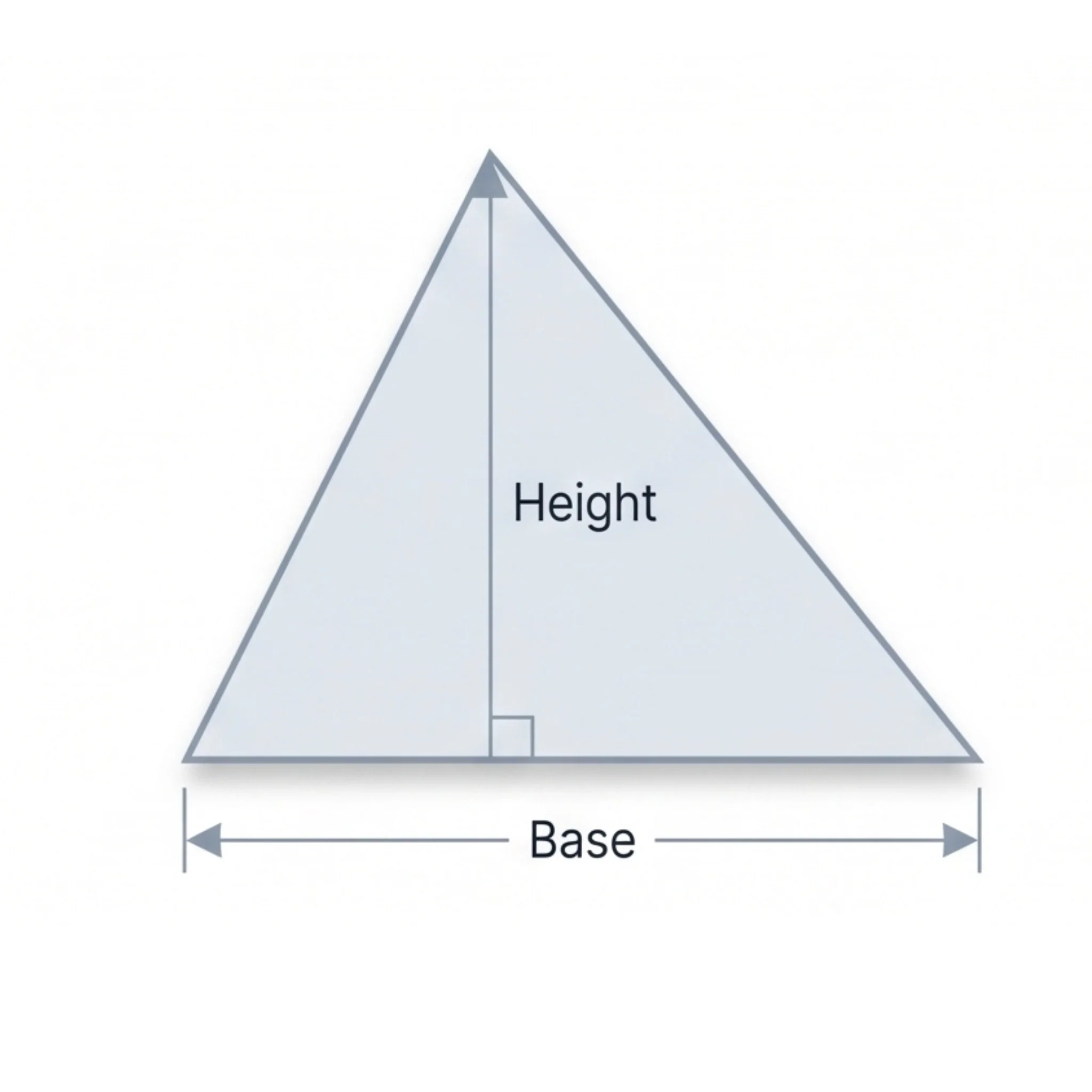
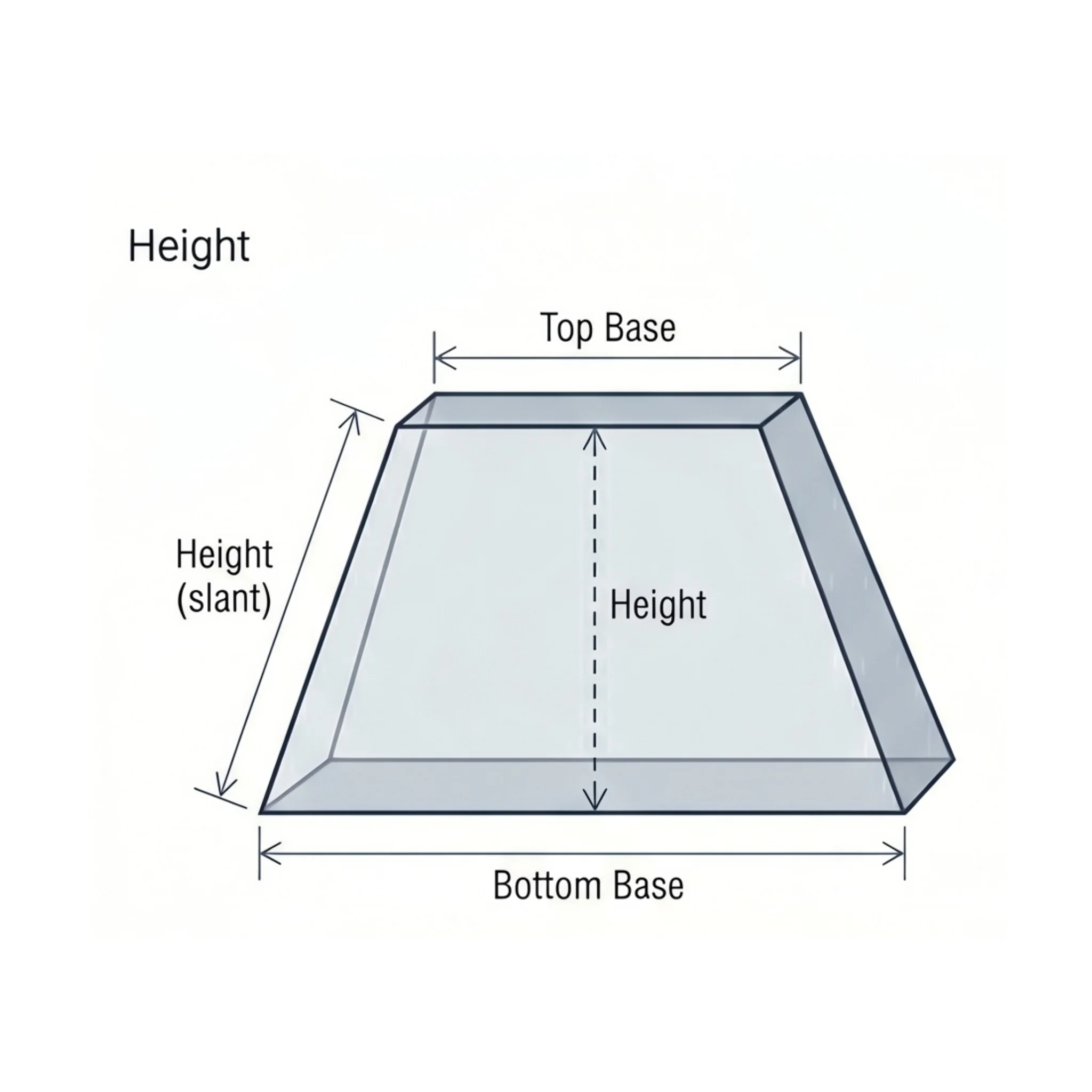
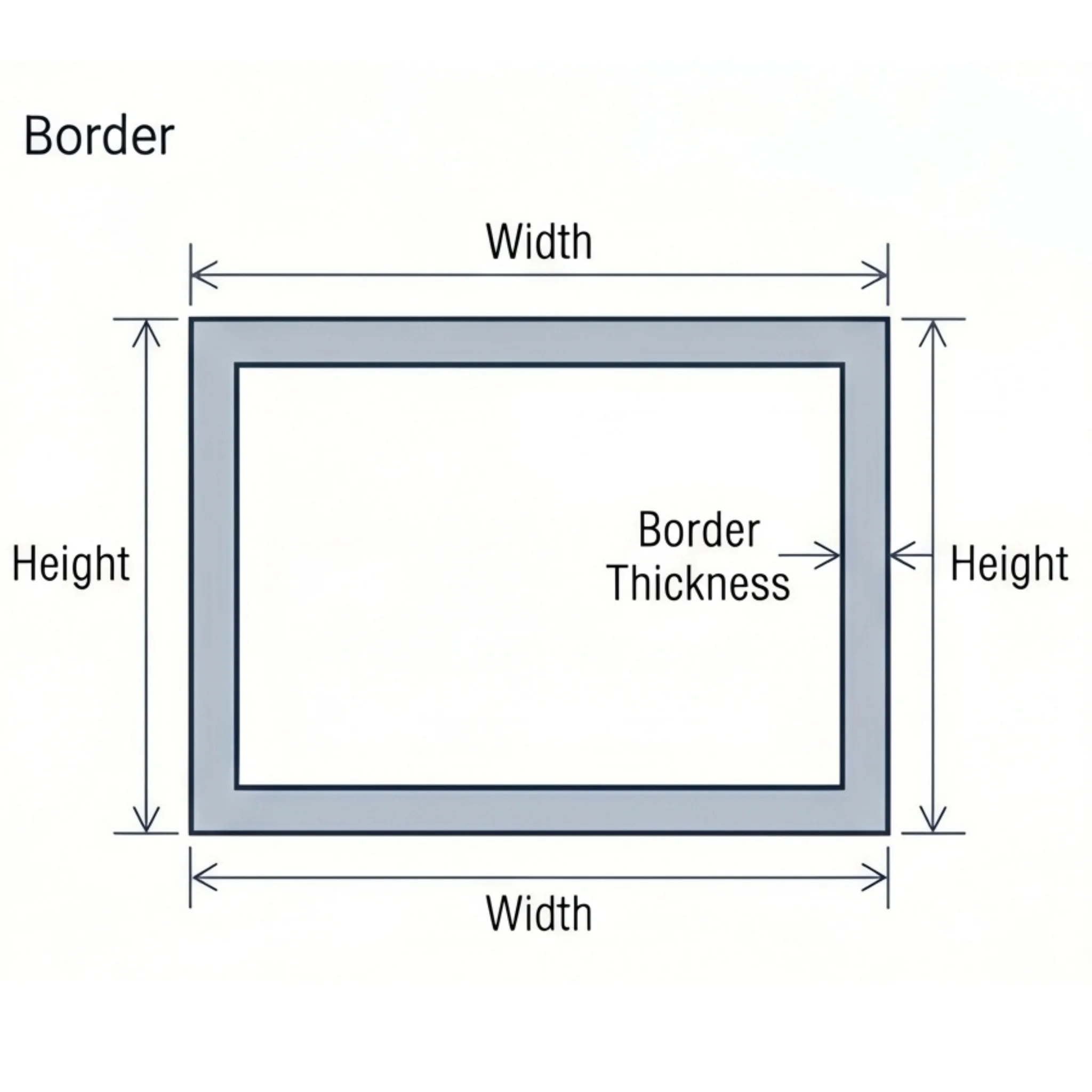
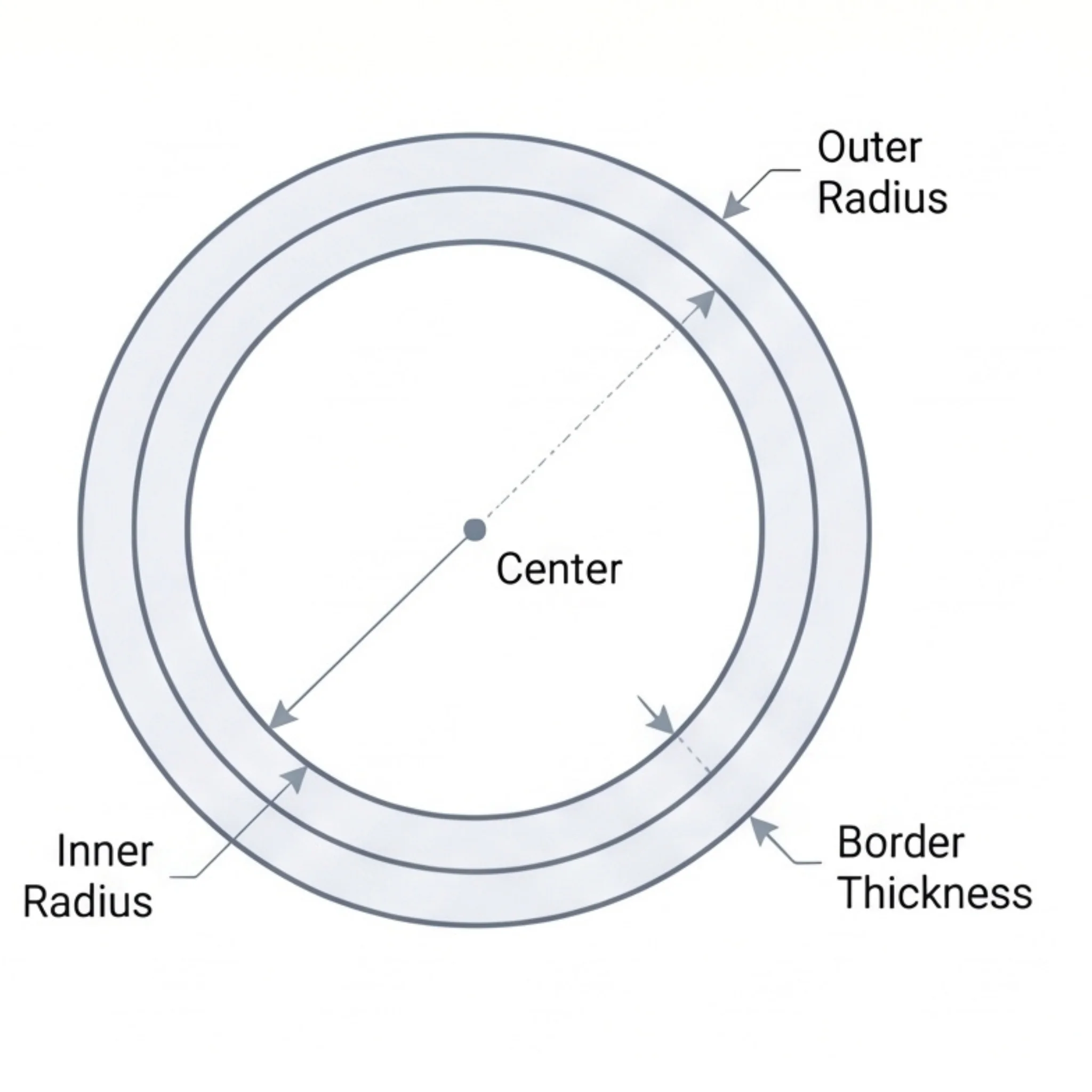
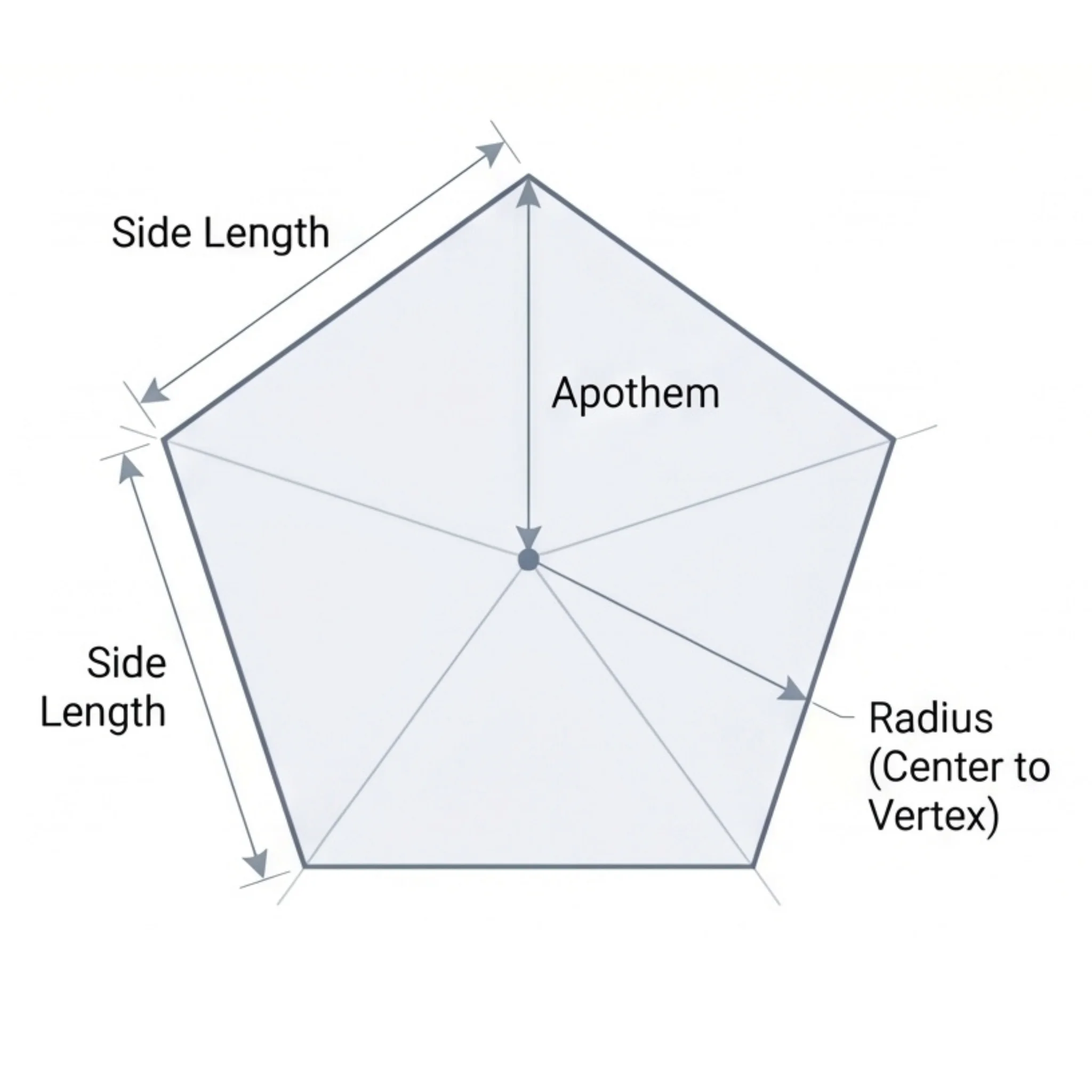
| 1 | Select Your Area Shape. Start by picking the shape of the area you are filling from the Area Shape dropdown. You can choose from standard shapes like Rectangles and Circles, or more complex ones like Rectangle Borders, Annulus (Rings), and Trapezoids. |
| 2 | Enter Your Dimensions. Input the measurements for your project. Each dimension (Depth, Length, Width, etc.) has its own unit selector. Depth is usually entered in inches for materials like mulch (3″) or gravel (4″), but you can also use feet, yards, or meters. Length & Width define your surface area, and you can mix units as needed. |
| 3 | Set the Quantity. If you have multiple identical areas (like three flower beds of the same size), adjust the Quantity field. The calculator will automatically multiply the total volume for you. |
| 4 | Get a Cost Estimate (Optional). Select your currency, enter the supplier price, and choose whether it is per cubic yard, cubic foot, or cubic meter. The calculator will estimate your total project cost automatically. |
| 5 | Calculate the Volume. Click the orange Calculate Volume button. The results panel will instantly appear below the form. |
| 6 | Review Your Results. You will see cubic yards as the main result, along with cubic feet and cubic meters. If you entered pricing, the estimated cost will appear at the bottom of the results section. |
| 7 | Save or Share Your Data. You can copy results, download a PDF report, or share the calculator link with contractors or friends for easy collaboration. |
Use this Material Ordering Guide to account for real-world settling and waste before you place your supplier order. Different materials, such as mulch, concrete, and gravel, require specific “Waste Factors” to ensure you have enough volume to complete your project without running out mid-job. Use the recommended depths and percentage offsets below to calculate a professional-grade estimate for your next landscaping or construction task.
| Material | Weight (per cubic yard) | Recommended Depth | Best Use Cases |
|---|---|---|---|
| Concrete | 4,000 lbs (2 tons) | 4 inches | Driveways, slabs, foundations |
| Topsoil | 2,000 lbs (1 ton) | 2–3 inches | Lawn restoration, raised beds |
| Gravel | 2,700 lbs (1.35 tons) | 3–4 inches | Driveways, paths, drainage |
| Mulch | 400–800 lbs | 2–3 inches | Garden beds, decorative landscaping |
| Playground Mulch | 600–900 lbs | 8–12 inches (1) Recommended depth for safety-critical fall protection based on U.S. CPSC Federal Guidelines. |
Play equipment cushioning |
| Lawn Topdressing | 2,000 lbs (1 ton) | 0.25–0.5 inches | Grass improvement, thin layer use |
| Fill Dirt | 2,100 lbs (1.05 tons) | Varies by project | Leveling, excavation fill |
| Compost | 1,000–1,400 lbs | 2–4 inches | Soil enrichment, gardening |
If you’re thinking why I recommend adding a 15% waste factor for mulch, it’s because I’ve made the mistake of not doing it. Years ago, I ordered exactly 2 cubic yards for a garden bed, only to find that once it was spread and settled, I was about three wheelbarrows short. I had to pay for a second delivery just for that tiny amount. Now, I always tell my users: order the extra 10% now so you don’t have to pay for a second truck later
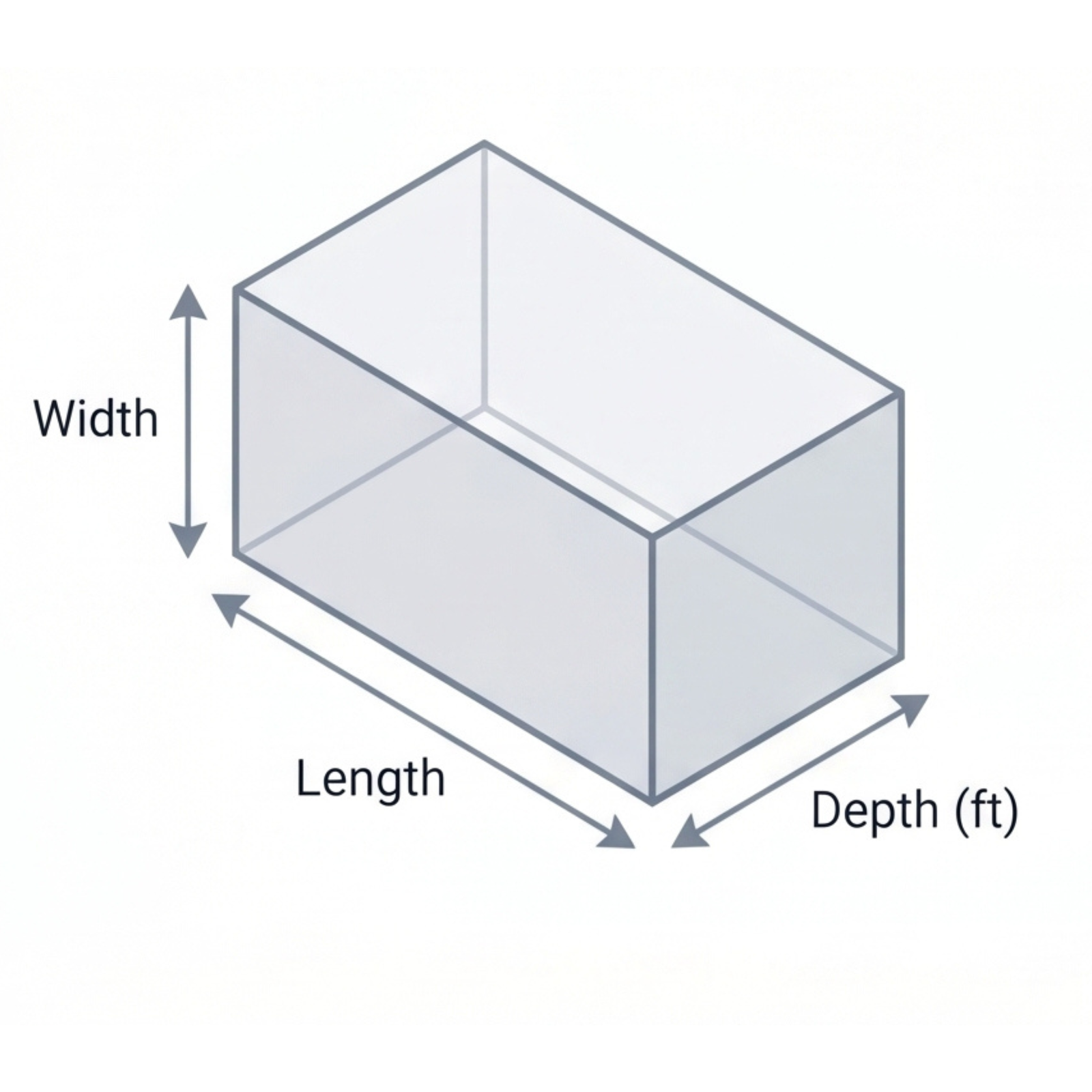
Calculating cubic yards is simple once you know your three measurements. You need to know how long your area is, how wide it is, and how deep you want the material. The calculator takes these numbers and converts them into cubic yards, which is what you order from suppliers. Both formulas below do the same job, one is just quicker if you measure in inches, and the other works better if everything is already in feet. Pick whichever is easier for you.
The Quick Formula works best when you measure length and width in feet but depth in inches (which is how most people do it naturally). Just multiply your square footage by the depth in inches, then divide by 324.
The Detailed Formula converts everything to feet first, then multiplies length × width × depth to get cubic feet. Since one cubic yard equals 27 cubic feet, you divide by 27 to get your answer in cubic yards. Both methods give you the exact same result—use whichever one feels easier for your measurements.
| 1 | Garden mulch: Your bed is 10 feet long, 5 feet wide, and you want 3 inches of mulch. Enter 10, then 5, then 3. The calculator shows 0.56 cubic yards. |
| 2 | Concrete slab: Your patio is 15 feet by 12 feet and concrete needs 4 inches thick. Enter 15, then 12, then 4. The calculator shows 2.22 cubic yards of concrete. |
| 3 | Gravel driveway: Your driveway is 20 feet long, 10 feet wide, and you want 3 inches of gravel. Enter 20, then 10, then 3. The calculator shows 1.85 cubic yards. |
| 4 | Round flower bed: Your circular bed has an 8-foot diameter and you want 2 inches of soil. Pick “circle,” enter 8, then 2. The calculator handles the circle math for you. |
Calculating cubic yards becomes easy once you understand how feet and inches work together in the formula. Most projects mix feet and inches naturally—you measure length and width in feet, but depth in inches because material thickness is usually just a few inches deep. Learning to convert between these units and use them in your formula takes the confusion out of the math.
If you measure everything in feet, the formula is straightforward. Multiply length × width × depth (all in feet), then divide by 27.
Example: A concrete slab that is 20 feet long, 10 feet wide, and 4 inches deep (0.33 feet). Calculate: 20 × 10 × 0.33 = 66 cubic feet ÷ 27 = 2.44 cubic yards.
Most people naturally measure length and width in feet but depth in inches. Use the quick formula instead: (square feet × inches of depth) ÷ 324.
Example: Same concrete slab with 20 feet × 10 feet = 200 square feet. Then (200 × 4 inches) ÷ 324 = 2.47 cubic yards. Much faster than converting first.
Always convert inches to feet before using the detailed formula. Here are the most common conversions:
Write these down or bookmark them so you can reference them quickly. Many mistakes happen when people forget to convert, so always double-check that your depth measurement is in the right unit before you plug it into the formula.
One cubic yard covers different areas depending on how deep you spread it. If you spread it 1 inch thick, it covers 324 square feet. Spread it 2 inches thick and it covers 162 square feet. The deeper you go, the less area it covers. This matters because you need to know if one cubic yard is enough for your project or if you need to order more.
| Depth | Square Footage Covered |
|---|---|
| 1 inch | 324 sq ft |
| 2 inches | 162 sq ft |
| 3 inches | 108 sq ft |
| 4 inches | 81 sq ft |
6 inches |
54 sq ft |
| 12 inches | 27 sq ft |
Cubic yards are the standard measurement for ordering bulk materials in both construction and landscaping projects. Understanding how to calculate and order the right amount saves time, money, and prevents delays. Whether you’re pouring a concrete foundation, spreading mulch in a garden, or laying a gravel driveway, knowing your cubic yardage is essential for every project.
cubic yards measure concrete, fill dirt, and stone bases. A typical concrete driveway slab that is 10 feet by 10 feet and 4 inches thick requires about 1.22 cubic yards of concrete. Foundation work, basement excavation, and building pads all depend on accurate cubic yard calculations to determine how much material to order and what the project will cost.
Concrete suppliers charge per cubic yard, so ordering the wrong amount means either wasted money on extra material or costly delays waiting for another delivery.
cubic yards measure mulch, gravel, topsoil, compost, and decorative stone. A garden bed that is 10 feet long, 5 feet wide, and needs 3 inches of mulch requires about 0.46 cubic yards. Larger projects like landscape renovation, lawn restoration, or driveway edging need multiple cubic yards.
Landscapers use cubic yards to estimate project costs and plan material deliveries. Most landscape suppliers sell in half or full cubic yard increments, so knowing your exact yardage helps you order efficiently without shortage or excess.
Both industries rely on accurate cubic yard measurements for budgeting and planning. When you know how many cubic yards you need, you can get exact price quotes from suppliers, schedule deliveries on time, and avoid costly overages or shortages. The cubic yard calculator makes this process fast and accurate, no more guessing or manual math errors.
Whether you’re a homeowner doing a DIY project or a contractor managing multiple jobs, understanding cubic yards is a skill that saves money and prevents frustration.
Most mulch and decorative material jobs use 2 to 3 inches of depth. At 3 inches, one cubic yard covers about 108 square feet. If your garden bed is 10 feet by 10 feet (100 square feet), you would need just about 1 cubic yard. Playground mulch is different, it needs to be much thicker for safety, usually 8 to 12 inches, so one cubic yard does not go as far.Playground mulch is different—it needs to be much thicker for safety, usually 8 to 12 inches, so one cubic yard does not go as far. For playground safety, depth is critical to preventing injury. According to the U.S. Consumer Product Safety Commission (CPSC), a minimum depth of 9 inches of wood mulch is required to provide adequate cushioning for a 10-foot fall height.
Understanding the math behind cubic yards helps you calculate material needs for any shape. Pick your shape, use the formula, and get accurate results every time.
We made this Cubic Yard Calculator to help people avoid big math mistakes. Our team member, once experienced how hard this can be. He was working on a project and did the math by hand. He made a small mistake and ended up needing just a little bit more gravel. Because he was short, he had to pay for a second delivery and wait for days. This gave our founder, Haris Farooq, the idea to build this tool. We added a “Waste Factor” so you always order enough material. Our goal is to make sure you never have to pay for an extra truck because of a tiny mistake.
We built this tool to turn a stressful construction project into a simple, successful one. By using our Cubic Yard Calculator, you are not just getting a math result; you are getting a professional plan that saves you both time and money. Whether you are a homeowner working on a weekend garden project or a contractor managing a large job site, our goal is to help you measure once, order once, and finish your project without any expensive surprises.
You should generally add a 10% to 15% “Waste Factor” to your total to account for material settling and spillage.
There are exactly 27 cubic feet in one cubic yard; our calculator handles this conversion for you automatically.
Yes, our tool allows you to mix units, such as entering depth in inches while entering length and width in feet.
Weight depends on density; for example, one cubic yard of heavy concrete weighs about $4,000$ lbs, while light mulch weighs much less.
Click the Download PDF button to generate a professional calculation report that you can print or email directly to your material supplier.